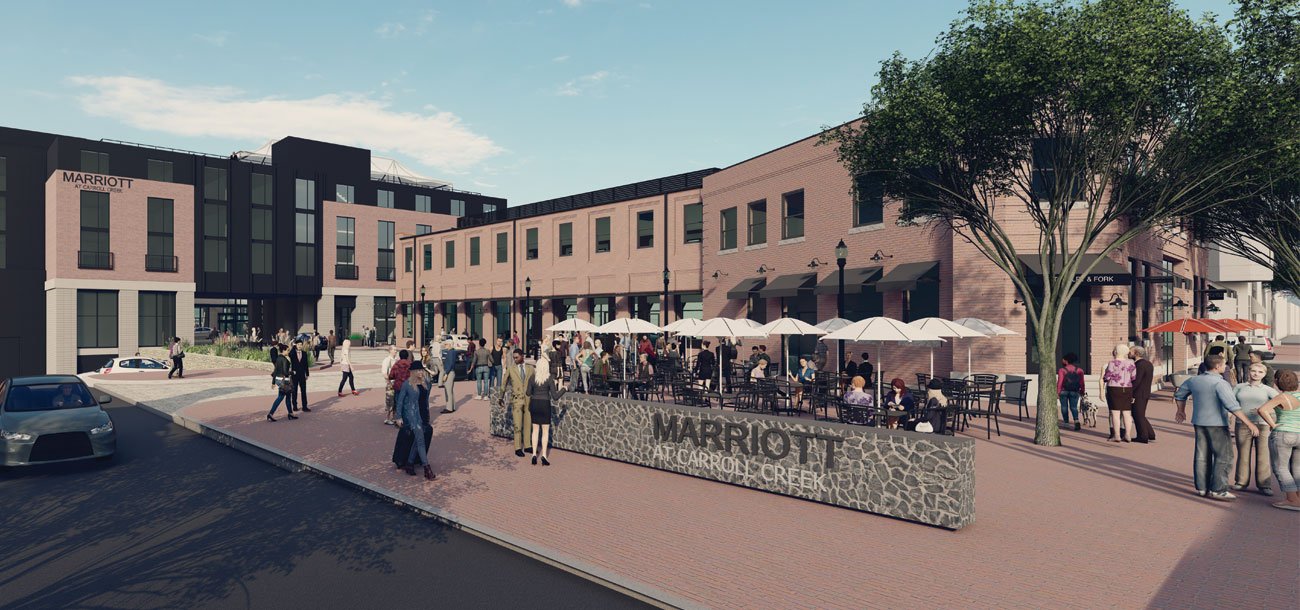
Frederick’s Industrial Heritage & The Leather Legacy
For centuries, the banks of Carroll Creek served as the industrial lifeblood of Frederick City. While agriculture dominated the region's economy, the tanning industry—the processing of animal hides into leather—stood as the second most important economic engine in the city throughout the eighteenth and nineteenth centuries. By 1866, Frederick County was a manufacturing powerhouse, home to nearly half of all tanneries operating in the state of Maryland.
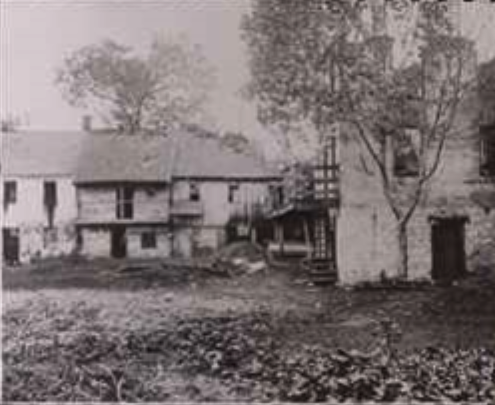
Birely Tannery, Frederick, Maryland, circa 1820 to circa 1923.
Photo provided by Heritage Frederick. heritagefrederick.org
At the heart of this bustling industrial landscape was the Birely Tannery (Site 18FR575). Situated on the north bank of Carroll Creek, the site has a lineage dating back to the late 18th century, potentially operated by Matthius Nead as early as 1764, before coming under the management of Frederick Birely by 1800. For over a century, the Birely family grew the operation into a massive enterprise. By 1850, the tannery was a high-volume facility requiring significant annual investments in raw hides and bark, employing laborers that included enslaved individuals in the earlier decades.
The facility evolved alongside the city, expanding its physical footprint with new drying houses and underground leaches until a devastating fire in 1909 destroyed much of the plant. Though rebuilt, operations eventually ceased in 1924. Today, as we prepare for the Downtown Frederick Hotel and Conference Center, we acknowledge that this site is not just land, but a testament to the industrial grit that built modern Frederick.
Unearthing the Past: Significance and Discovery
The Birely Tannery site is recognized as a significant archaeological resource, eligible for the National Register of Historic Places. Its significance lies in its ability to tell the story of Frederick’s community development (Criterion A) and its potential to yield vital information about 19th-century industrial technology and processes (Criterion D).
Previous investigations have already revealed a wealth of history beneath the surface. Excavations in the southern portion of the site in 1988 unearthed tanning vats, a bark mill, and tools such as fleshing knives and cleavers. Interestingly, analysis of animal bones found at the site revealed that the tannery specialized in calfskin leather, a high-value item in the trade. More recent testing in 2016 on the northern portion—where the hotel will stand—identified additional tanning vats, waste pits, and stone foundations hidden beneath layers of modern fill.
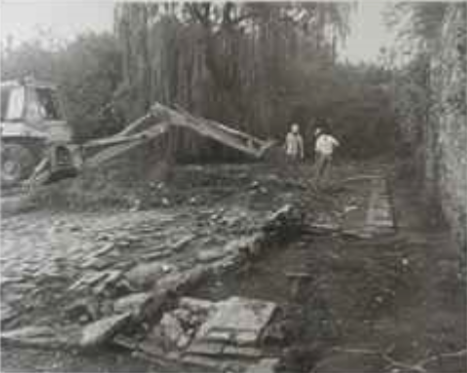
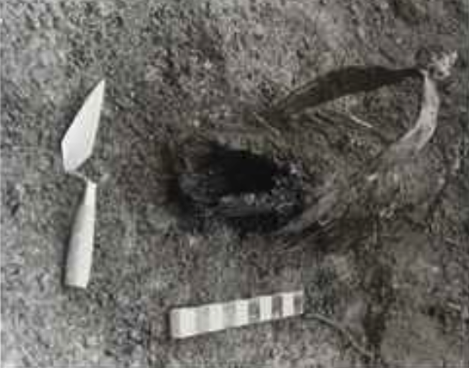
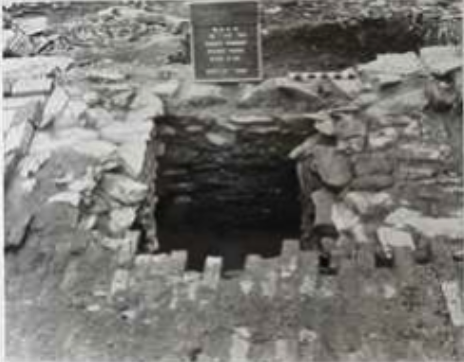
Birely Tannery archaeological excavations, circa September 21, 1988. Photos provided by Heritage Frederick. heritagefrederick.org
Beyond industrial artifacts, the soil has preserved personal items that offer a glimpse into the daily lives of the workers and inhabitants, including ceramics, clay pipes, and children's toys. As we move forward, Plamondon Hospitality Partners has engaged R. Christopher Goodwin & Associates to conduct a final, comprehensive data recovery effort. This dig will document the remaining history of the site following the demolition of the last standing tannery building, ensuring that the legacy of the Birely Tannery is preserved for future generations through public interpretation and displays.
Check back for updates to this page as we uncover the past during archaeological digs happening at the site.
Latest Project News